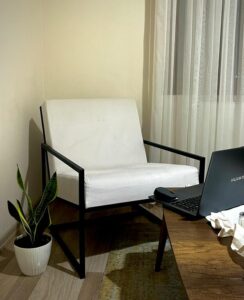
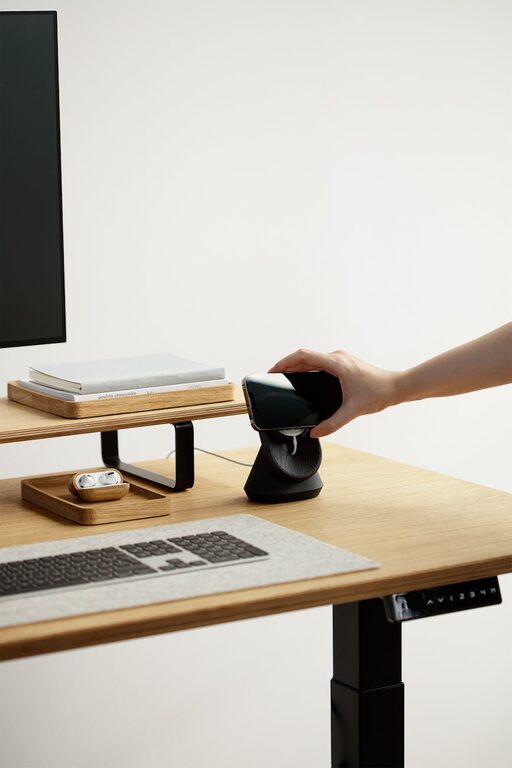
Creating a cozy and inviting home workspace is essential for anyone who spends significant time working from home. A well-designed workspace not only improves productivity but also enhances your overall mood and comfort. Whether you have a dedicated room or a small corner in your living area, these simple steps can help you create a space that feels welcoming and works efficiently for you.
Why a Cozy Workspace Matters
A cozy workspace provides a calming environment that reduces stress and helps you focus. It encourages you to maintain a healthy work routine and can even inspire creativity. The goal is to combine comfort with functionality, so you feel motivated every day you sit down to work.
Step 1: Choose the Right Spot
Selecting the right location in your home is the first crucial step. Ideally, you want a spot that:
– Receives plenty of natural light to keep you energized
– Is quiet and away from high-traffic areas to minimize distractions
– Has enough space to fit your desk, chair, and essential supplies comfortably
If you’re limited on space, consider a nook or corner near a window, or use room dividers to create a defined work area.
Step 2: Invest in Comfortable Furniture
Comfortable furniture is key for a productive workspace. Here’s what to focus on:
– Ergonomic Chair: Choose a chair that supports good posture with adjustable height and back support.
– Desk: Select a desk that fits the space and holds all your work essentials without feeling cramped.
– Additional Seating: If space allows, a small couch or armchair can provide a relaxed spot for reading or brainstorming.
Remember, comfort reduces fatigue and the risk of strain during long working hours.
Step 3: Optimize Lighting
Good lighting improves focus and reduces eye strain. To create a bright and pleasant workspace:
– Maximize natural light by placing your desk near windows.
– Use a desk lamp with adjustable brightness to complement ambient lighting.
– Avoid harsh overhead lights; opt for softer, warm-toned bulbs.
– Consider light-blocking shades or curtains if you need to control glare.
Proper lighting will keep your workspace inviting any time of day.
Step 4: Personalize with Decor and Colors
Adding personal touches makes the space feel uniquely yours and more inviting. Consider:
– Using colors that inspire calm and focus, such as soft blues, greens, or neutrals.
– Hanging artwork, photos, or motivational prints that you enjoy.
– Incorporating plants for a natural touch and improved air quality.
– Utilizing decorative storage boxes or organizers that match your style.
Personalization helps create an environment you look forward to spending time in.
Step 5: Organize Efficiently
Clutter can be distracting, so keeping your workspace organized is essential. Tips for effective organization include:
– Using drawer organizers for stationery and small items
– Keeping frequently used items within easy reach
– Employing shelves and storage bins to keep papers and books tidy
– Cleaning your workspace at the end of each day to maintain order
An organized workspace saves time and keeps your mind clear.
Step 6: Incorporate Technology Thoughtfully
Technology is a vital part of most home offices. To keep your workspace functional:
– Set up your computer or laptop at eye level to reduce neck strain.
– Use cable organizers to avoid tangled cords.
– Invest in quality headphones or speakers if you require audio.
– Keep chargers and peripherals handy but neat.
Balancing tech setup with aesthetics keeps your workspace sleek and efficient.
Step 7: Add Comfort-Enhancing Accessories
Small additions can significantly enhance comfort and coziness:
– A soft rug underfoot for warmth and texture
– Cushions or lumbar support pillows for extra seating comfort
– A small humidifier or diffuser with your favorite scent
– A water bottle or coffee mug within easy reach
These details make your workspace feel more like a relaxing retreat.
Step 8: Establish Boundaries
Creating mental and physical boundaries helps separate work from home life. To achieve this:
– Use a room divider or curtain if your workspace is part of a larger room
– Set specific work hours and stick to them
– Avoid working in bed or non-work areas when possible
Clear boundaries improve focus during work hours and promote better rest afterward.
—
Final Thoughts
Designing a cozy and inviting home workspace doesn’t require a large budget or major renovations. With thoughtful choices about location, comfort, lighting, and organization, you can create a space that supports your productivity and well-being. Remember, the most important factor is that your workspace feels good to you – a place where you’re excited to start your day and comfortable enough to stay focused.
By implementing these simple steps, you’ll build a nurturing work environment that makes working from home both enjoyable and efficient. Happy decorating!