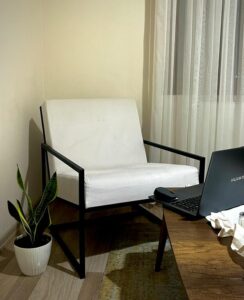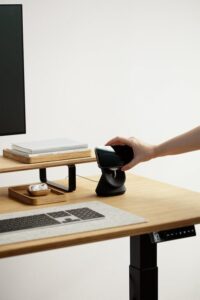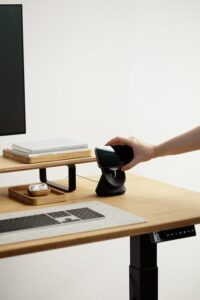
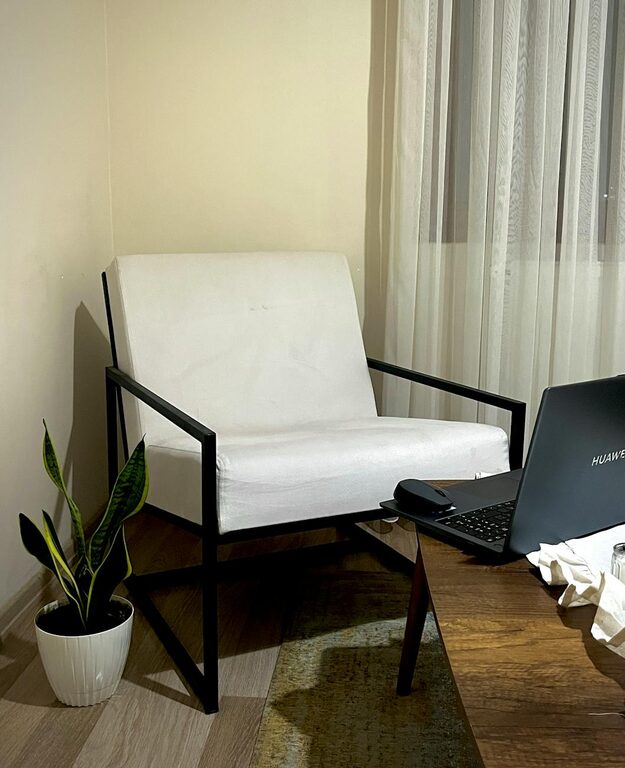
Creating a cozy and inviting home workspace is key to staying productive and comfortable throughout your workday. Whether you spend a few hours a week or full days working from home, a thoughtfully designed workspace can make a significant difference in your mood, focus, and overall work experience.
In this post, we’ll explore practical tips to help you transform any corner of your home into a pleasant and effective workspace.
Why a Cozy Workspace Matters
A well-designed workspace isn’t just about aesthetics. It impacts your motivation, health, and efficiency. Feeling comfortable in your workspace reduces stress and distractions, allowing you to focus on tasks with more ease.
Here are some essential considerations to keep in mind as you plan your home office:
– Comfort and ergonomics
– Proper lighting
– Personal touches
– Organization and clutter management
Choose the Right Location
Start by selecting a spot in your home that suits your work style and daily routine. Consider the following:
– Natural light: Working near a window can lift your mood and reduce eye strain.
– Minimal distractions: Choose a quiet area away from heavy foot traffic and noise.
– Space availability: Ensure there’s enough room for your desk, chair, and any necessary equipment.
If space is tight, think creatively about using a corner of your living room or bedroom without disrupting other activities.
Invest in Comfortable, Supportive Furniture
Comfort is crucial when you spend hours at a desk. Here’s how to choose furniture that welcomes you to work:
– Ergonomic chair: Look for adjustable height and lumbar support to maintain good posture.
– Appropriate desk: The desk height should allow your elbows to rest comfortably at about 90 degrees. Consider adjustable desks if possible.
– Footrest or cushion: Use these extras for added comfort and circulation support.
Don’t overlook the importance of quality furniture—it’s an investment in your health and productivity.
Optimize Your Lighting
Proper lighting reduces eye strain and keeps you alert. Different lighting types can be combined for the best results:
– Natural light: As mentioned, position your desk near a window when possible.
– Ambient lighting: Use ceiling lights or lamps for general illumination.
– Task lighting: Desk lamps with adjustable brightness help focus light where you need it most.
Avoid harsh overhead lighting or glare on computer screens by experimenting with angles and different light sources.
Personalize Your Space
Adding personal touches makes your workspace more enjoyable. These simple updates can make a big difference:
– Decorative items: Select a few favorite photos, artwork, or plants to brighten your desk.
– Colors: Incorporate colors that calm or inspire you—soft blues, greens, or warm neutrals often work well.
– Textures: A cozy throw blanket or seat cushion can add warmth and comfort.
Personalization helps your workspace feel like your own, enhancing motivation and well-being.
Keep It Organized
A cluttered workspace can distract and exhaust you. Implement organization strategies to keep your area tidy:
– Use storage solutions: Shelves, baskets, and drawer organizers help contain supplies and paperwork.
– Minimalist approach: Keep only essential items on your desk to maintain focus.
– Daily tidy-up: Take a few minutes at the end of each day to clear your space.
Good organization saves time and reduces frustration during your workday.
Incorporate Greenery
Plants can purify the air and create a calming atmosphere. Choose low-maintenance options suitable for indoor light conditions:
– Succulents
– Snake plants
– Pothos
– Peace lilies
Adding a bit of greenery promotes relaxation and may even improve concentration.
Manage Noise and Sound
Excess noise can distract and reduce productivity. Try these ideas to create a peaceful sound environment:
– Use noise-canceling headphones or earplugs if you need to focus.
– Play soft background music or white noise for concentration.
– Add thick curtains or rugs to absorb sound and reduce echoes.
Controlling noise helps maintain your focus and comfort.
Establish Boundaries
Working from home can blur the lines between work time and personal time. Define clear boundaries to protect your work-life balance:
– Set specific working hours and communicate them with family or roommates.
– Use your workspace exclusively for work to create a mental separation.
– Take breaks away from your desk to refresh.
Clear boundaries help you stay motivated during work and relaxed afterward.
Maintain Good Air Quality
Fresh air contributes to alertness and well-being. Consider these tips:
– Open a window regularly to allow air circulation.
– Use an air purifier if needed.
– Avoid placing your workspace near areas with strong cooking or cleaning odors.
Clean air supports your focus and comfort throughout the day.
Final Thoughts
Designing a cozy and inviting home workspace is a personal journey. Prioritize comfort, natural light, organization, and personal touches to develop a workspace that feels inviting and supports your productivity. Small changes can have a big impact on your work experience, helping you feel motivated and refreshed each day.
Experiment with these tips and create a space where you truly enjoy spending time, making your work-from-home routine more pleasant and successful.