Creating a home office environment that feels cozy and promotes productivity can make a significant difference in your workday. Whether you’re working remotely full-time, freelancing, or just need a dedicated spot to manage personal tasks, designing your workspace thoughtfully can enhance focus, reduce stress, and boost your overall well-being. Here are some helpful tips to create a comfortable and efficient home office.
Choose the Right Location
The first step to setting up a great home office is selecting the best spot in your home. Ideally, choose a quiet area with minimal distractions. If possible, pick a room or nook with a door so you can separate work from home life. Natural light is a bonus—it helps reduce eye strain and creates a more inviting space.
If space is tight, consider a corner or a section of a room that can be dedicated to work. Make sure it’s a place you look forward to spending time in.
Invest in Comfortable and Functional Furniture
Your furniture choice will impact how you feel throughout the day. Here’s what to focus on:
– Ergonomic Chair: Choose a chair that supports good posture. Adjustable height and lumbar support can prevent back pain.
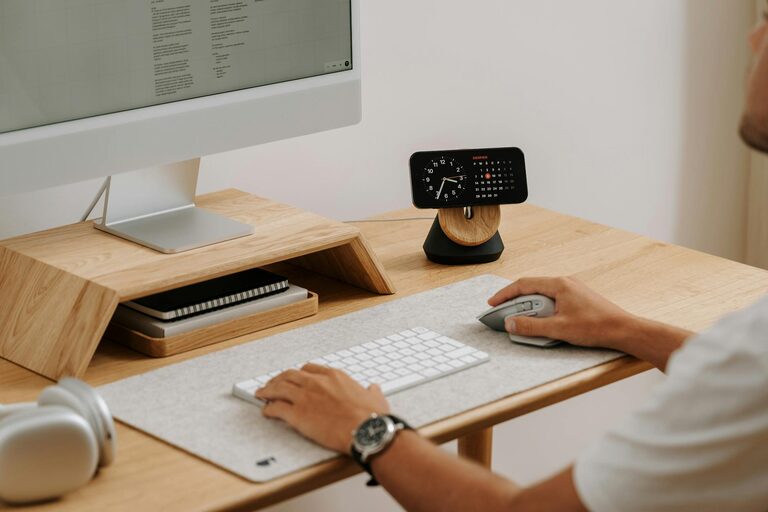
– Desk Space: Select a desk big enough to hold your computer, notebooks, and any tools you need without feeling cluttered.
– Storage Solutions: Use shelves, drawers, or baskets to keep supplies organized and within reach. A tidy space reduces distractions.
Remember, comfort doesn’t mean sacrificing functionality. Balance both for maximum productivity.
Prioritize Lighting
Good lighting can affect your mood and focus. In addition to natural light, supplement your workspace with:
– Task Lighting: A desk lamp with adjustable brightness helps when working late or on detailed tasks.
– Ambient Lighting: Soft overhead lights create a warm, welcoming environment.
Avoid harsh fluorescent lights and reduce glare on screens by positioning lights thoughtfully.
Personalize Your Space Thoughtfully
A workspace should motivate you. Adding personal touches boosts comfort without distracting from work:
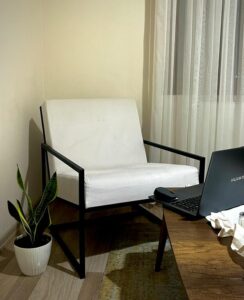
– Plants: Indoor plants improve air quality and add a calming touch to the room.
– Artwork or Photos: Display images or art that inspire or bring you joy.
– Decor Colors: Choose soothing or energizing colors depending on your preference. Soft blues and greens promote calm, while yellows and oranges can stimulate creativity.
Keep it balanced—too many decorations can become clutter, which may reduce productivity.
Organize to Minimize Distractions
An organized space helps maintain focus and reduces stress. Try these strategies:
– Declutter Regularly: Clear out unnecessary items weekly.
– Use Cable Management: Hide cords with clips or tubes to keep surfaces tidy.
– Designate Zones: Separate different tasks by zones if your space allows (e.g., a reading corner, a work desk).
Using organizers like trays, pen holders, and file folders can keep your essentials orderly and easy to locate.
Incorporate Technology Wisely
Technology is essential for a home office but can also be a source of distraction. To stay productive:
– Invest in Reliable Equipment: A fast computer, a good-quality headset, and a stable internet connection prevent technical hiccups.
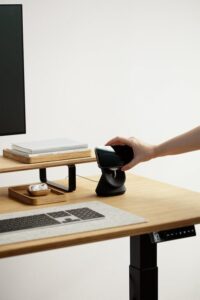
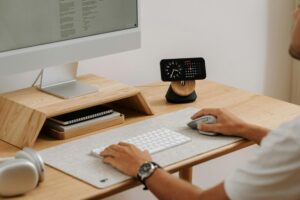
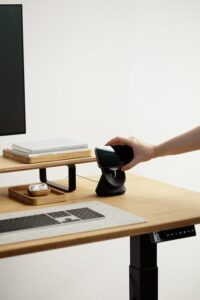
– Use Wireless Devices: Wireless keyboards and mice reduce clutter.
– Limit Notifications: Turn off non-essential alerts during work periods to maintain focus.
Regularly update your software and keep your workspace free from unnecessary gadgets to keep things simple.
Create a Routine and Comfortable Atmosphere
Your physical environment isn’t everything; atmosphere and habits matter too.
– Set Working Hours: Stick to a schedule to separate work and personal life.
– Take Breaks: Move around and stretch to avoid fatigue.
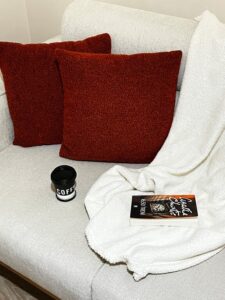
– Add Comfort Items: Keep a cozy blanket or a favorite mug nearby.
Using scents such as lavender or citrus with candles or diffusers can also create an inviting ambiance without overwhelming the senses.
Maximize Space with Smart Design
If your office is small, use smart design tricks:
– Vertical Storage: Shelves and wall organizers free up floor space.
– Multi-functional Furniture: Desks with built-in storage or fold-away features are great options.
– Light Colors and Mirrors: These make rooms feel larger and brighter.
A minimalist approach often works best in compact areas.
Final Thoughts
Designing a cozy and productive home office isn’t about spending a lot of money or following every trend. It’s about creating a space that fits your needs and supports your work habits. By choosing the right location, investing in comfort, organizing effectively, and personalizing thoughtfully, you’ll build an environment that encourages success and well-being every day.
Take your time with the setup, experiment with what works best, and enjoy the comfort of working in a space that truly feels like your own.